
A Twitcher’s Delight | The Best Birdwatching Spots in The Riverina
From internationally significant wetlands and winding waterways to ancient river red gum forests, discover some of the best places to spot native birds in the Riverina.
Binoculars at the ready! Whether you're a seasoned twitcher, an amateur wildlife photographer or simply someone who enjoys spending time in nature, the Riverina is home to an incredible diversity of birdlife waiting to be discovered.
With its vast wetlands, winding rivers, native woodlands and open plains, the region provides important habitats for hundreds of bird species, from colourful parrots and tiny fairywrens to majestic birds of prey and migratory waterbirds.
And the best part? You don't have to venture far off the beaten track to experience it.
So, grab your binoculars, pack a picnic and take the scenic route as we explore some of the best birdwatching spots in the Riverina.
Fivebough Wetlands, Leeton
If there's one destination that belongs on every Riverina birdwatcher's list, it's Fivebough Wetlands.
Located just outside Leeton, this internationally recognised wetland forms part of the Ramsar-listed Fivebough and Tuckerbil Wetlands, an important habitat for native and migratory waterbirds.
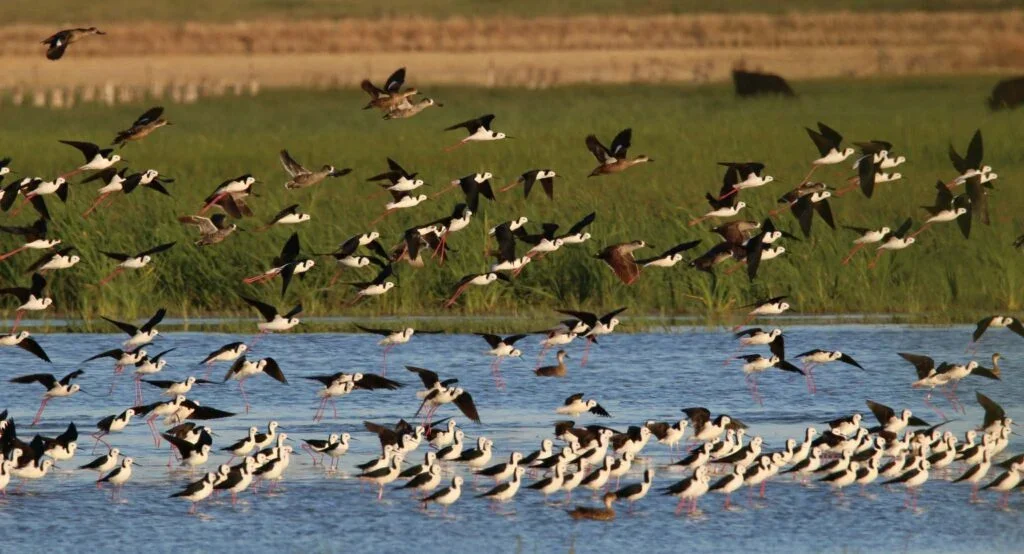
The wetlands attract an impressive variety of species, including spoonbills, black-winged stilts, egrets, ducks and migratory shorebirds, with sightings changing throughout the year depending on seasonal conditions and water levels.
Walking tracks and bird hides offer opportunities to observe the wetlands and their feathered residents, making Fivebough a wonderful destination for experienced twitchers and curious first-timers alike.
Keep an eye out for: Black-winged stilts, spoonbills, egrets and migratory shorebirds.
How to get there: Located approximately 2 km northeast of Leeton town centre, accessible via Petersham Road.
Local tip: Plan your visit around sunrise or sunset, when the light is beautiful and birdlife is often particularly active.
West Wyalong: Lake Cowal and The Wetlands
Travelling through Bland Shire? There are two destinations worth adding to your birdwatching itinerary.
Lake Cowal
As one of NSW's largest natural inland lakes, Lake Cowal is a significant wildlife habitat and an impressive destination for nature lovers.
The lake supports an extraordinary diversity of birdlife, with more than 180 species recorded, including pelicans, ibis, ducks and other waterbirds.
Its expansive waters and surrounding landscape provide wonderful opportunities for wildlife photography, particularly when water levels are favourable.
Nearby, the Lake Cowal Conservation Centre offers environmental education experiences focused on conservation, biodiversity and sustainable land management.
How to get there: Located approximately 40 km northeast of West Wyalong. Contact the Lake Cowal Conservation Centre in advance to confirm visitor access and directions.
Local Tip: New glamping tents have just been installed offering uninterrupted waterfront views. Contact the team direct to book and keep up to date on the Facebook page for daily reports.
The Wetlands, Wyalong
Situated between Wyalong and West Wyalong, The Wetlands is a peaceful environmental reserve developed around a natural waterway and wildlife sanctuary.
Featuring walking paths, a boardwalk, native vegetation and a series of ponds, the area is a lovely place to stretch your legs and enjoy the local birdlife.
A protected island within one of the ponds also provides a breeding refuge for birds, making this an important little sanctuary close to town.
How to get there: Located between Wyalong and West Wyalong, accessible from the town's walking and cycling network.
Keep an eye out for: Pelicans, ibis, ducks and other native waterbirds.
Local tip: Combine a visit to The Wetlands with a walk along the Green Corridor Walking and Cycling Track, connecting several green spaces between Wyalong and West Wyalong.
Narrandera: Wetlands, Woodlands and River Red Gums
With the Murrumbidgee River winding through magnificent river red gum forests, Narrandera is a haven for native wildlife and one of the Riverina's most rewarding birdwatching destinations.
There are several locations worth adding to your itinerary.
Narrandera Wetlands
A peaceful spot to observe waterbirds, the Narrandera Wetlands provide habitat for species including glossy ibis, black swans and other wetland birds. Spend some time beside the water and watch for birds feeding amongst the shallows.
How to get there: Located on the outskirts of Narrandera, near the Lake Talbot precinct, just a short drive from the town centre.
Narrandera Flora and Fauna Reserve
Known for its resident koalas, the Flora and Fauna Reserve is equally rewarding for birdwatchers. More than 65 bird species have been recorded here, including superb fairywrens, flame robins, weebills and birds of prey.
Follow the self-guided walking track through river red gum forest and floodplain habitat, keeping an eye on the treetops for colourful parrots and other woodland species.
How to get there: Located approximately 5 km west of Narrandera, accessible via Buckingbong Road.
Murrumbidgee Valley National Park
For those keen to venture further, the Murrumbidgee Valley National Park offers a chance to explore riverine forests and discover species such as rainbow bee-eaters, black-chinned honeyeaters and southern boobooks.
You might even be lucky enough to spot one of the region's threatened superb parrots, known for their striking green plumage and distinctive yellow and red markings.
How to get there: Accessible from several locations along the Murrumbidgee River, including areas near Narrandera. Check NSW National Parks for specific entry points and road conditions.
Keep an eye out for: Superb parrots, rainbow bee-eaters, glossy ibis, flame robins and superb fairywrens.
Local tip: For more birdwatching locations and species, check out Birdwatching in Narrandera Shire before you visit.
Griffith: A Birdwatcher's Playground
From tranquil wetlands to rugged national parks, Griffith and its surrounds offer an impressive variety of birdwatching experiences.
Campbell's Wetlands
Located just north of Griffith, Campbell's Wetlands is a favourite amongst local birdwatchers. Its wetland habitat attracts a variety of waterbirds, including freckled ducks, pink-eared ducks, blue-billed ducks and musk ducks, along with migratory wading birds when conditions are favourable.
How to get there: Located approximately 5 km north of Griffith, accessible via Lakes Road. Check current access arrangements before visiting.
Lake Wyangan South
The waters and surrounding vegetation of Lake Wyangan provide opportunities to spot pelicans, cormorants, ducks and other waterbirds. It's a lovely location to combine a little birdwatching with a relaxed lakeside outing.
How to get there: Located approximately 12 km north of Griffith town centre, accessible via Lakes Road.
Cocoparra National Park
For a change of scenery, head towards the rocky ranges and native woodlands of Cocoparra National Park.
Here, rugged sandstone outcrops, scenic walking trails and native vegetation provide habitat for an array of woodland birds, including honeyeaters, parrots, wrens and birds of prey.
Keep an eye out for glossy black-cockatoos, peregrine falcons and rainbow bee-eaters, while taking in the spectacular views across the surrounding countryside.
How to get there: Located approximately 25 km northeast of Griffith, with access via Burley Griffin Way and local roads.
Binya State Forest
Neighbouring Cocoparra National Park, Binya State Forest offers another rewarding destination for birdwatchers looking to explore the region's native woodlands.
Its quieter surroundings provide opportunities to observe colourful parrots, honeyeaters and other inland woodland species.
How to get there: Located approximately 30 km northeast of Griffith, accessible via Burley Griffin Way and local forest roads.
For the best bird watching in Griffith, refer to this brochure for up-to-date information.
Griffith Golf Course
You don't always need to head into the bush to spot native birdlife!
The established trees and open green spaces around Griffith Golf Course provide opportunities to observe local birds, making it another location worth keeping in mind while exploring the area.
How to get there: Located on Lakes Road, a short drive north of Griffith's town centre. Check visitor access arrangements before entering the course.
Barren Box Swamp
For dedicated birdwatchers, Barren Box Swamp is another significant wetland habitat in the Griffith area.
The swamp provides opportunities to observe wetland birds, particularly when water levels are favourable. Access is restricted, however, so this is one destination you'll need to plan ahead for.
How to get there: Located northwest of Griffith. Access must be arranged in advance through Murrumbidgee Irrigation on (02) 6962 0200. A $50 refundable key deposit has been advised; confirm current requirements before travelling.
Keep an eye out for: Blue-billed ducks, musk ducks, freckled ducks, glossy black-cockatoos and migratory shorebirds.
Local tip: With so many diverse habitats close together, why not make a weekend of it? Spend a morning exploring Griffith's wetlands before heading into Cocoparra National Park for an afternoon of bushwalking and birdwatching followed by dinner at one of the many award-winning restaurants and wineries.
Temora: Lake Centenary and Hillview Park
Temora offers a couple of easy places to slow down, enjoy the outdoors and keep an eye out for local birdlife.
Lake Centenary
Just north of town, Lake Centenary is a popular destination for outdoor recreation, with lakeside walking areas and picnic facilities.
While best known for boating and water sports, the lake also offers opportunities to observe birds around the water's edge. Early mornings and quieter periods are particularly appealing for those looking to enjoy the natural surroundings.
How to get there: Located approximately 5 km north of Temora town centre, accessible via Goldfields Way.
Hillview Park Native Botanical Garden
For a change of pace, explore Hillview Park Native Botanical Garden, where native plants and established vegetation create an inviting setting for a leisurely stroll and some casual birdwatching.
Keep an eye out for smaller woodland birds and listen for birdsong amongst the native vegetation.
How to get there: Located in Temora, a short drive from the town centre.
Local tip: Pack a picnic and enjoy a relaxed morning exploring Temora's parks and gardens before discovering more of the town's attractions.
When is the Best Time to Go Birdwatching in the Riverina?
The Riverina offers rewarding birdwatching opportunities throughout the year, with each season bringing something a little different.
Spring (September–November): One of the most rewarding times for woodland birdwatching, with breeding activity, birdsong and flowering native plants attracting a variety of species.
Summer (December–February): Early mornings and late afternoons are ideal for exploring before the heat sets in. Wetlands can attract a range of waterbirds, depending on water availability.
Autumn (March–May): Cooler weather makes for comfortable walks through national parks, forests and reserves, with opportunities to observe resident and seasonal species.
Winter (June–August): A wonderful time to explore woodland habitats and look for seasonal visitors, including flame robins.
Importantly, wetland birdlife is closely linked to rainfall and water levels. Some sites can be particularly spectacular following periods of flooding, while others may have fewer birds during dry conditions.
Tips for Your Next Birdwatching Adventure
Whether you're planning a dedicated birdwatching trip or adding a nature stop to your Riverina road trip, a little preparation can make all the difference.
Get an early start. Birds are often most active around sunrise and during the cooler hours of the day.
Bring binoculars and a camera. You'll be surprised how much more you can spot with a closer look.
Stay on designated tracks. Protect fragile habitats and give wildlife plenty of space, particularly during nesting season.
Check access before travelling. Some wetlands, forests and reserves have restricted access or may be affected by seasonal conditions.
Download a birdwatching guide. A little local knowledge can help you discover species you might otherwise miss.
Take your time. Sometimes the best sightings happen when you stop, listen and let nature do its thing.
Your Local Birdwatching Companion: Birds of the MIA
For those keen to take their birdwatching adventures a little further, the Murrumbidgee Field Naturalists have produced an excellent Birds of the MIA brochure.
The guide covers 20 birdwatching locations across Narrandera, Leeton and Griffith, complete with maps and information about notable bird species at each site.
It's a handy resource for planning your next outing and discovering some of the region's lesser-known birdwatching spots.
Download a copy from Murrumbidgee Field Naturalists, or enquire at local Visitor Information Centres.
Take the Scenic Route
One of the joys of birdwatching in the Riverina is that no two outings are quite the same.
From the flash of a colourful parrot amongst the river red gums to the sight of pelicans gliding across a wetland, there's always something new to discover when you slow down and take a closer look.
And with welcoming country towns, local food and wine, beautiful places to stay and plenty of outdoor adventures along the way, why not turn your birdwatching expedition into a longer Riverina escape?
Plan your stay today.